
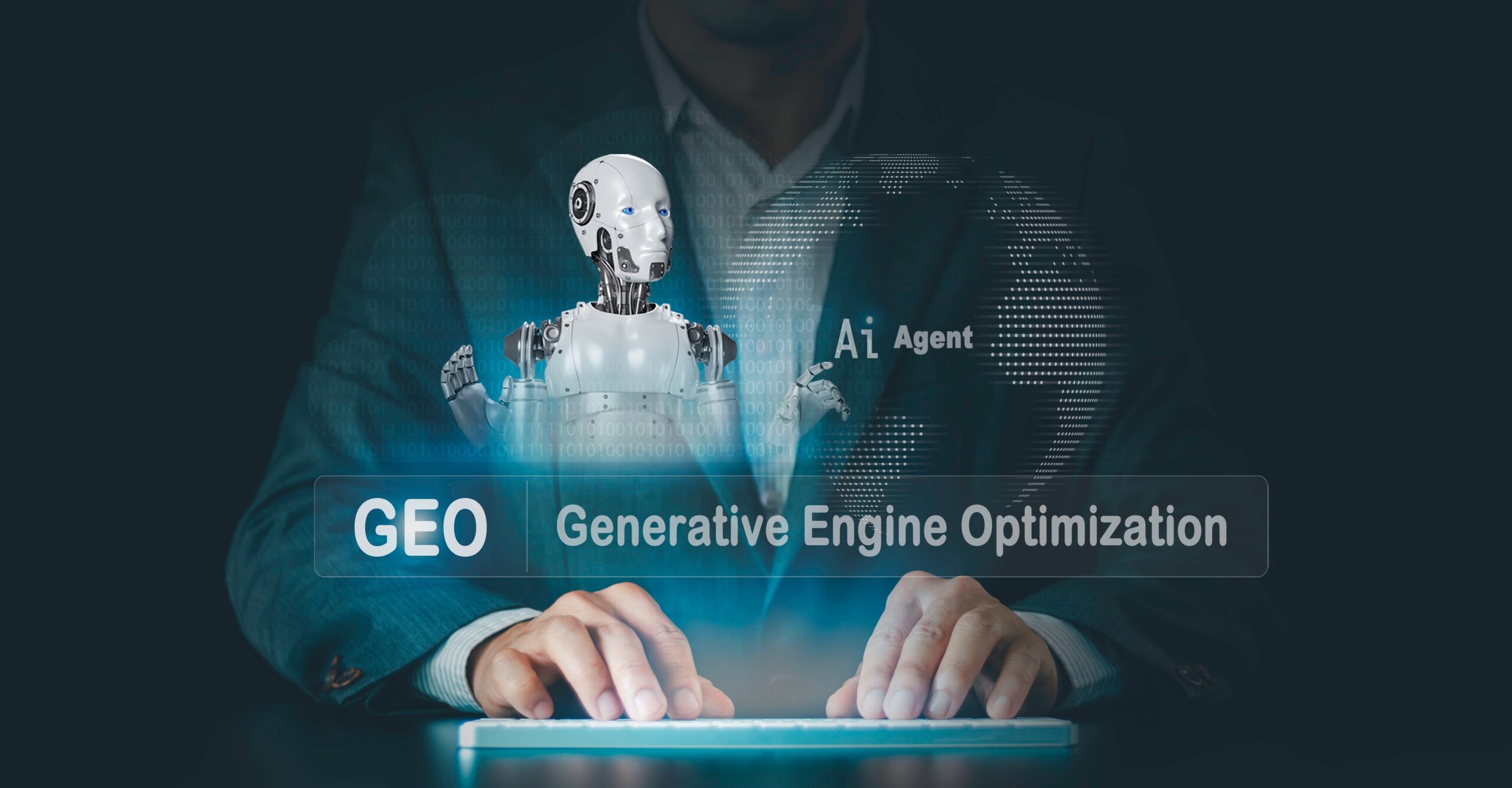
The SEO world changed forever on the day that “AI Search” became a consumer reality. In 2026, over 40% of search queries in India are now answered directly by Generative Engines like Google Gemini, ChatGPT, and Perplexity.
For these “Informational” queries, users are no longer clicking on a list of 10 blue links. They are reading a single, synthesized AI answer. If your brand is not mentioned, cited, or recommended in that answer, you effectively do not exist in the new search landscape.
Welcome to Generative Engine Optimization (GEO).
At Paid Media World, we’ve moved beyond traditional keyword research to Entity Authority Mapping. Here is the 2026 blueprint for GEO dominance.
1. From “Keywords” to “Citations”
Generative engines don’t look for keywords; they look for 100% verified Entities and Facts. To rank in an AI synthesis, your content must satisfy three core GEO pillars:
- Information Gain: Does your content provide a new perspective, unique data, or a real-world case study that doesn’t exist elsewhere? If you just “rephrase” existing articles, AI engines will ignore you.
- Direct Answer Capability: The AI wants to extract an answer. If your H2 is a question, your first sentence below that H2 must be a clear, concise answer that the AI can easily “Quote.”
- Technical E-E-A-T: AI models are trained to prioritize “High Trust” sources. This means your site must have deep topical authority, clear author bios, and “Schema Markup” that identifies you as an expert in your niche.
2. The “Citation Graph” Strategy
AI engines determine trust by seeing who else cites your expertise. In 2026, traditional “backlinks” have evolved into “Authority Mentions.”
If you are a finance brand in India, being cited in an article by *Moneycontrol* or *The Economic Times* as an expert source has 10x more impact on GEO than 1,000 low-quality blog comments. We recommend a Digital PR approach: Create unique industry reports and data surveys that journalists (and AI crawlers) *must* cite as the primary source.
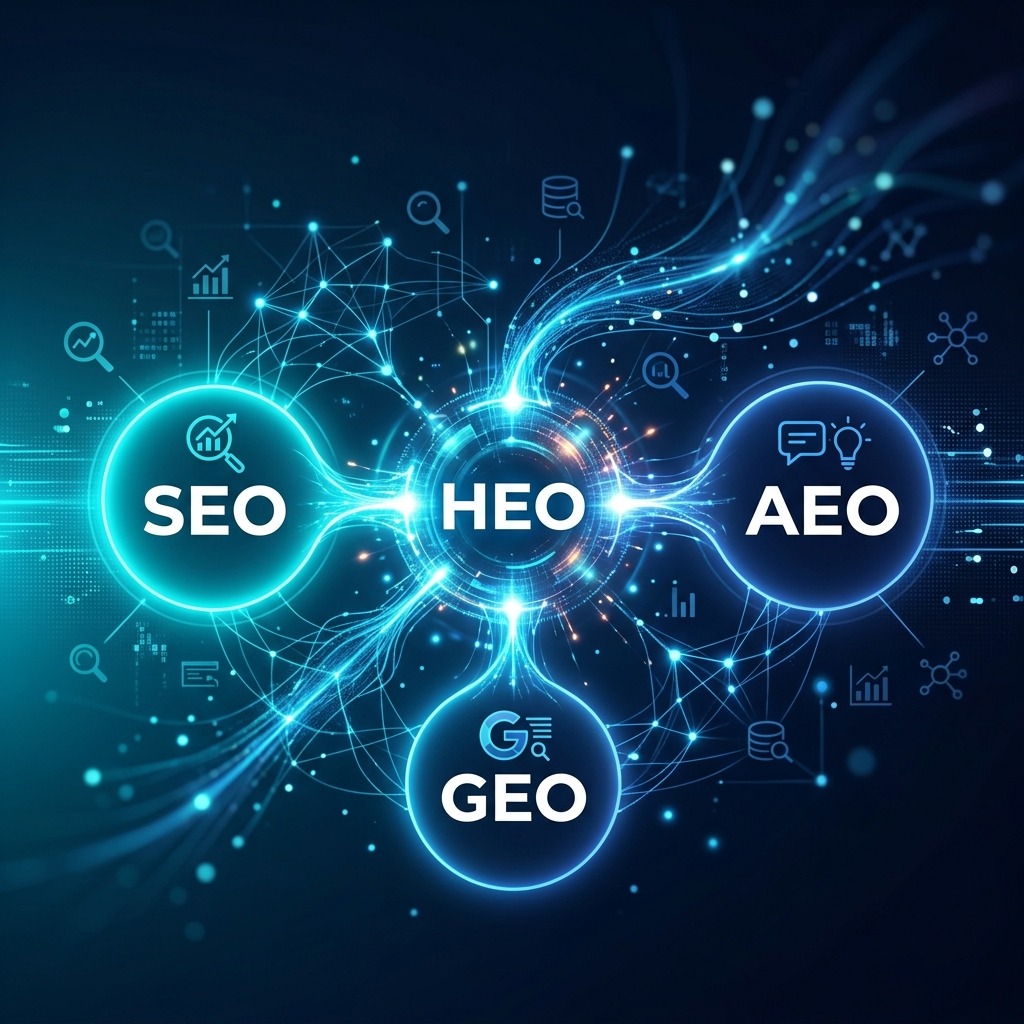
3. GEO Performance Matrix: SEO vs. GEO
| Feature | Traditional SEO | Generative Engine Opt (GEO) |
|---|---|---|
| Success Metric | Organic Rankings (Position 1-10). | Frequency of AI Citations. |
| Content Format | Articles designed for 2,000 words. | Structured Data & Answer-focused Chunks. |
| Acquisition Mode | Click-through to website. | Brand Recommendation/Voice Search Answer. |
4. Structured Data: The AI’s Cheat Sheet
In 2026, Schema.org is no longer optional. It is the language that AI engines use to understand your “Entity.” Use advanced schema (Organization, Article, FAQ, How-To, and Product) to tell the AI exactly what you are, what you do, and why you are the authority. If you don’t speak the AI’s language (JSON-LD), it will skip you in favor of a competitor who does.
Open ChatGPT or Gemini and type: “Who is the leading performance marketing agency in India for D2C?” If your brand isn’t mentioned, ask the AI *why* it didn’t mention you. Often, it will tell you “I haven’t found sufficient third-party verification for Brand X.” This is your roadmap for where you need more PR and authority citations.
Conclusion
GEO is the new frontier. The brands that win in 2026 will be those that stop writing for “Search Engines” and start writing for “Generative Engines.” It is a shift from Visibility to Authenticity.
Is your brand being cited by AI? Connect with our GEO audit team. We provide complete analysis of your AI citation frequency and build the authority blueprints needed for 2026 search dominance.

Leave a Reply