
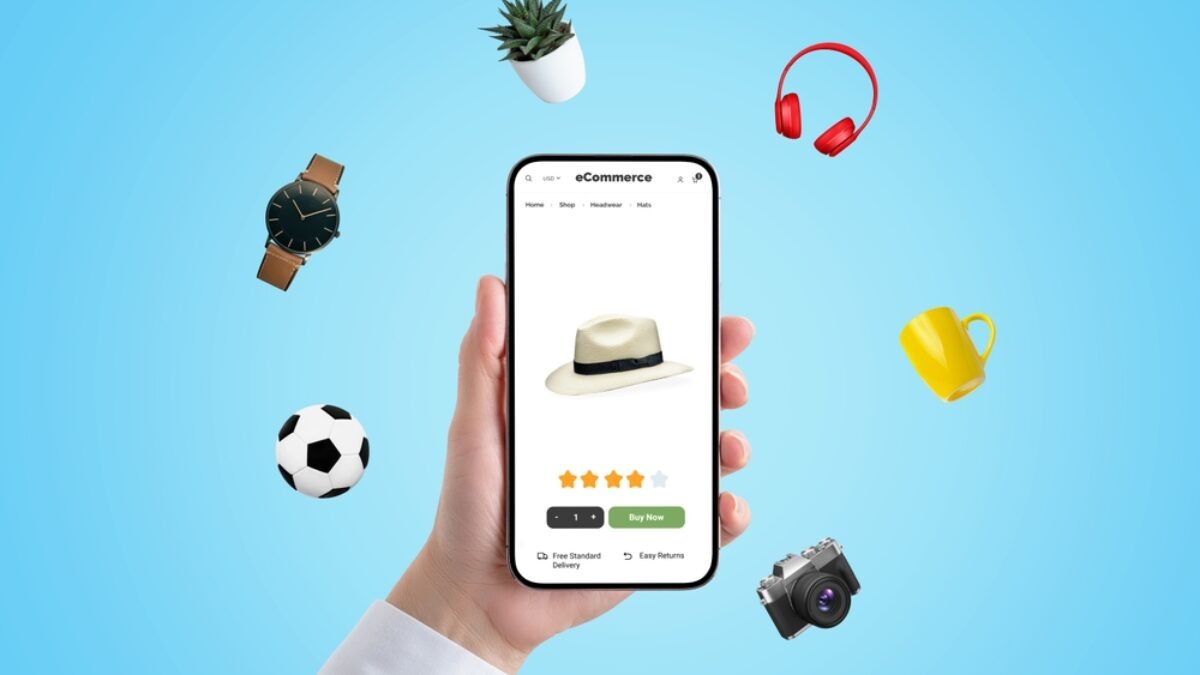
For D2C (Direct-to-Consumer) brands in India, the glory days of “Cheap Facebook Ads” are officially over. In 2026, building a profitable D2C brand requires a sophisticated, technical approach that balances Demand Generation (Meta) with Demand Capture (Google).
The brands that are winning in the 2026 Indian ecosystem-names like Mamaearth, Boat, and Minimalist-have moved beyond simple ads. They have built Retention Engines fueled by AI-driven paid media.
At Paid Media World, we architect the scaling plans for the next generation of Indian D2C. Here are the core 2026 strategies you must implement to dominate.
1. The “Whale” Strategy (Value-Based Bidding)
Most D2C brands optimize for the lowest CPA (Cost Per Acquisition). But not all customers are equal. A customer who buys a ₹500 trial pack once is fundamentally different from a “Whale” who buys a ₹5,000 bundle and subscribes for a year.
In 2026, we use Value-Based Bidding (VBB). We feed your actual LTV (Lifetime Value) data from Shopify or WooCommerce back into Meta and Google. This tells the AI: “Stop looking for the cheapest click; find me the user who is most likely to become a repeat buyer.” This shift from CPA to ROAS (Profit-based) is the single biggest predictor of D2C survival in 2026.
2. The Reels + WhatsApp Funnel
For the Bharat market, a website is often a point of friction.
- Short-form Video: 100% of your Meta prospecting should be 9×16 Reels. In 2026, the auction rewards vertical video with 40% lower CPMs than static images.
- WhatsApp Conversion: Instead of driving cold traffic to a complex product page, drive it directly to a WhatsApp Shop. This allows for immediate, high-trust sales conversations. We are seeing 3x higher conversion rates in Tier-2 and Tier-3 cities by utilizing WhatsApp as the primary checkout channel.
3. Google PMax for Dynamic Catalog Sales
Google Performance Max (PMax) has become the “Merchant Center” powerhouse for D2C.
By connecting your product feed to PMax, Google’s AI dynamically creates 1,000s of ad variations. If a user on YouTube is watching a review of “Mineral Sunscreens,” PMax will automatically show your specific mineral sunscreen as a shopping ad during the video. This Contextual Commerce is how D2C brands capture intent at the exact moment of decision-making.
4. D2C Performance Matrix: Meta vs. Google
| Metric/Stage | Meta Ads (Discovery) | Google Ads (Intent) |
|---|---|---|
| Primary Goal | Creating new demand/Awareness. | Capturing active searchers. |
| Success Hook | Emotional/Visual Pattern Interrupt. | Price/Feature/Review Comparison. |
| Scaling Tip | Test 10 video “Hooks” per week. | Optimize for ROAS in PMax. |
Since browser-based tracking is effectively broken, D2C brands must implement Conversions API (CAPI) and Enhanced Conversions. If your ad accounts aren’t receiving your actual purchase data directly from your server, your AI “learning” will be capped, and you will eventually hit a scaling wall.
Conclusion
D2C success in 2026 is a game of Retention Profitability. Use Meta to discover your customers, Google to capture their intent, and AI-driven data to ensure you are only bidding on high-value “Whales.”
Is your D2C brand ready for 2026 scaling? Connect with our D2C growth team for a full audit of your paid media architecture and let us help you build a profitable customer engine.

Leave a Reply