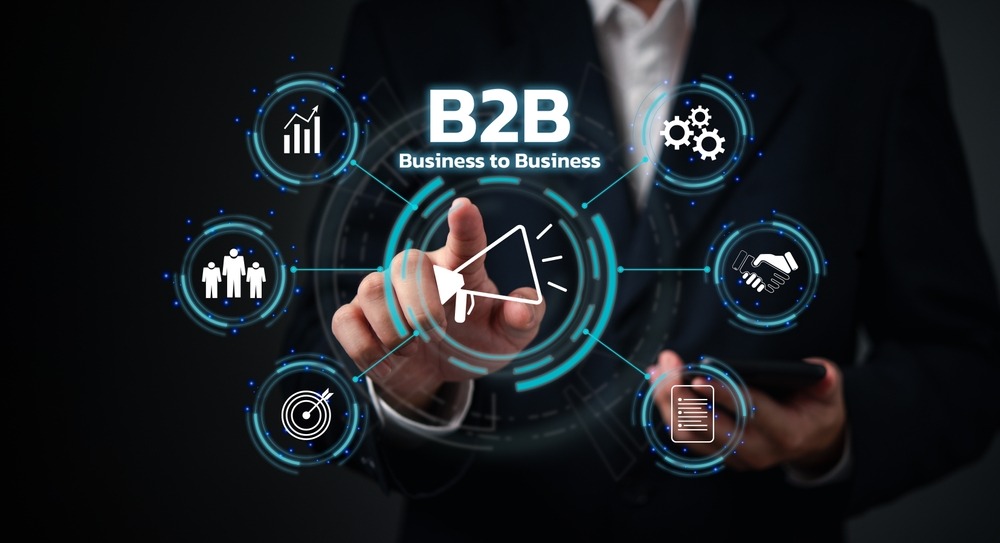
In the highly competitive world of B2B SaaS, traditional SEO-bidding on head terms like “best CRM software” or “project management tool”-is a brutal, multi-million-dollar battle that many startups simply cannot win. The giants like Salesforce, Monday.com, and ClickUp have effectively cornered these markets.
To win in 2026, you need to stop chasing the “Front Door” of search and start using the “Integration Keyword” Strategy.
At Paid Media World, we help our SaaS clients identify these high-intent “Back Door” entry points that drive CMO-level leads at 1/10th the traditional CAC. Here is the blueprint for the 2026 Integration SEO strategy.
1. What is an “Integration Keyword”?
An integration keyword is a search term used by a professional who is already using a platform and is looking for a way to connect it to another solution.
Examples: “How to sync HubSpot with WhatsApp for Indian sales teams,” or “Best automated invoicing tool for Shopify Plus.”
These users have two critical characteristics:
- High Intent: They aren’t just browsing; they are trying to solve a specific technical problem *right now*.
- Verified Budget: If they are searching for a HubSpot integration, you already know they have the budget for a premium tool.
2. The “Better Than” and “Alternative To” Matrix
Most SaaS companies only write about their own features. We recommend building content around Ecosystem Competitors.
| Keyword Type | Example Search Term | Why it Converts |
|---|---|---|
| Direct Integration | “Slack to WhatsApp automation for B2B” | User is actively building a tech stack. |
| Migration Path | “Migrating from Freshdesk to [Your Tool]” | User is unhappy with their current provider. |
| Template/Workflow | “Google Sheets CRM template for Indian SMBs” | User is looking for a structure they can’t find. |
3. 2026 SEO Strategy: Building the “Solution Center”
To rank for these terms, you shouldn’t just write a blog post. You should build a Solution Center or “Marketplace” section on your site.
- The Connector Page: Create a dedicated landing page for every major tool your software connects to. Title it: “How [Your Tool] + [Big Tool] Scales Your Business.”
- Technical E-E-A-T: In 2026, Google (and AI engines) reward Experience. Your integration guides must include actual screenshots, code snippets (if applicable), and step-by-step setup instructions. If it looks like a generic sales page, you will not rank.
- Local Market Context: For the Indian SaaS market, highlight “local” integrations. For example, explain how your tool handles GST invoicing or connects to Razorpay/UPI. These regional specificities are often ignored by global giants, giving you an opening to dominate local search.
4. Weaponizing Integration Data in Paid Media
Once you are ranking organically for these integration terms, take that data and push it into Google Dynamic Search Ads (DSA).
If you know that users searching for “Zendesk Alternatives” convert at a 15% rate on your site, use Google Ads to ensure you are the #1 result for every variation of that term. This is how you use SEO to “validate” your highest-intent keywords before scaling your paid budget.
Most SaaS buyers in 2026 are looking to simplify, not add more tools. Your content shouldn’t just say “integrate with X.” It should explain how integrating with X allows them to eliminate Tool Y and Tool Z, saving them ₹30,000/month in subscription costs. Economy is the best conversion trigger.
Conclusion
The Integration Keyword strategy is the smartest way for a B2B SaaS startup to steal market share from the giants. By focusing on the gaps in their ecosystems and providing technical, localized solutions, you become the indispensable “glue” that holds their tech stack together.
Ready to architect your SaaS SEO solution center? Connect with our B2B performance team. We specialize in identifying these integration goldmines and building the content machines that convert them into revenue.



Leave a Reply